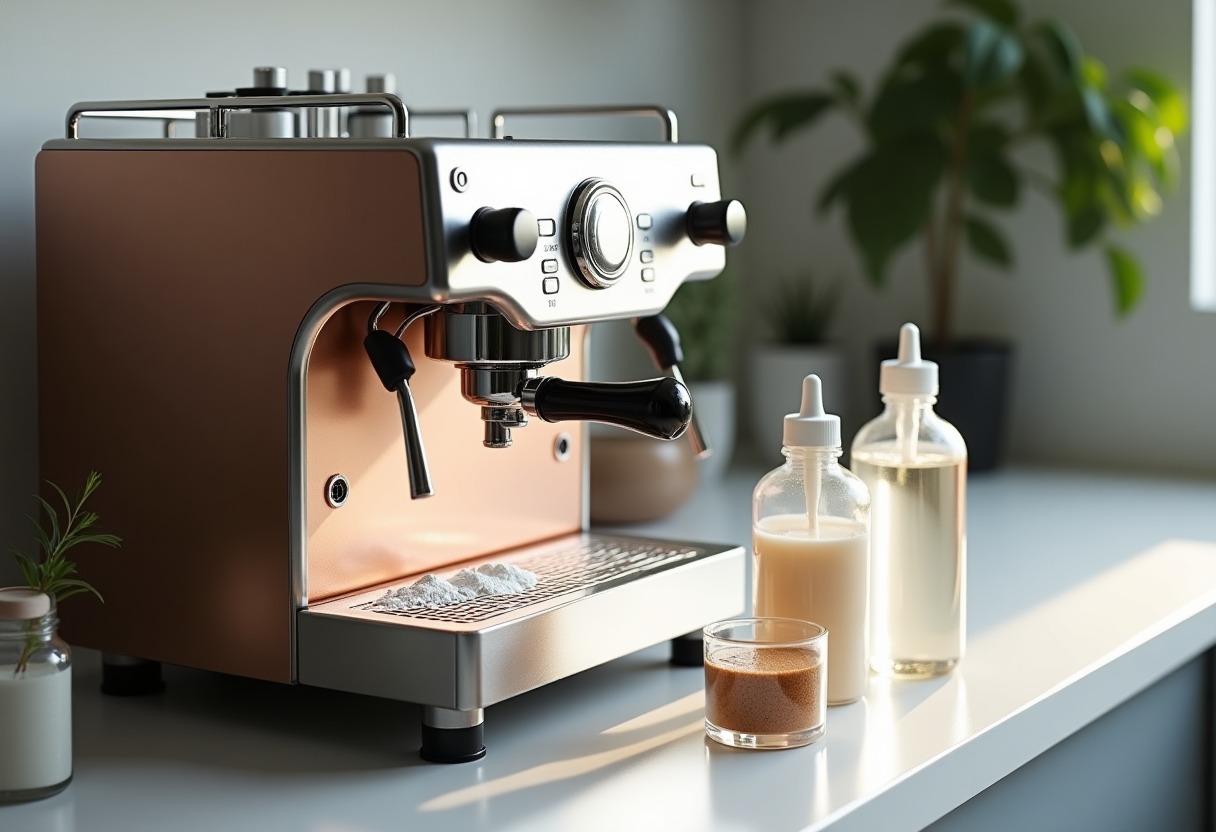
Scale buildup in your espresso machine's boiler and heat exchanger throttles temperature stability, reduces flow rate, and eventually kills your shot quality. Calcium carbonate deposits form whenever water temperatures exceed 140°F, and at espresso brewing temperatures of 200°F+, that precipitation accelerates fast.
The question isn't whether to descale — it's how often, and with what. I've tested citric acid against commercial solutions on five different machines over three years, and the differences matter more than most home baristas realize.
Why Scale Forms and What It Does to Your Machine
Water hardness measures dissolved minerals, primarily calcium and magnesium bicarbonate. When heated, these compounds convert to insoluble calcium carbonate that plates onto metal surfaces. The Specialty Coffee Association recommends water hardness between 50-175 ppm for optimal extraction, but that same mineral content drives scale formation.
Inside your boiler, scale creates an insulating layer between the heating element and water. Your machine compensates by running hotter or longer heating cycles, burning more energy and aging components faster. In heat exchangers, scale narrows flow passages and creates temperature stratification — the water path closest to scale runs cooler than center flow, giving you inconsistent brew temperatures even with a properly tuned PID controller.
Flow restrictors and solenoid valves clog first. Scale buildup there manifests as slower pre-infusion, weak flow during extraction, or incomplete group head draining. The damage accumulates silently until you're suddenly pulling 45-second shots that taste thin and sour because your actual flow rate dropped by 30%.
Citric Acid vs Commercial Descaling Solutions: What Actually Works
Citric acid costs $12 per pound and handles most residential descaling needs. Food-grade citric acid → Shop food grade citric acid on Amazon at 1-2% solution (10-20g per liter) dissolves calcium carbonate effectively without the corrosion risks of stronger acids.
Commercial espresso descalers run $15-30 per treatment but offer specific advantages. Formulations like Durgol and Urnex Dezcal include corrosion inhibitors, surfactants for improved flow through scale deposits, and buffering agents that maintain consistent pH throughout the descaling cycle. They're engineered for the brass, copper, and stainless alloys in espresso machine boiler types.
The real difference shows up in severe scale cases. Citric acid at home concentrations (1-2%) works slowly — expect 20-40 minute contact time for moderate buildup. Commercial solutions at manufacturer-specified concentrations cut through heavy scale in 10-15 minutes. For machines descaled on schedule, citric acid performs identically to commercial products. For neglected machines with visible scale flaking, commercial descalers save time and reduce the risk of incomplete dissolution leaving debris in the system.
Concentration, Contact Time, and Safety
| Solution Type | Concentration | Contact Time | Corrosion Risk | Cost Per Descale | |---------------|---------------|--------------|----------------|------------------| | Citric Acid (1%) | 10g per liter | 30-40 minutes | Minimal if flushed properly | $0.50-1.00 | | Citric Acid (2%) | 20g per liter | 20-30 minutes | Low, avoid aluminum parts | $1.00-2.00 | | Commercial (Durgol) | As directed, ~125ml bottle | 15-20 minutes | Engineered safe for espresso metals | $8-12 | | Commercial (Dezcal) | 1 packet per 32oz | 10-15 minutes | Contains inhibitors | $3-5 per packet |
Citric acid above 3% concentration attacks brass fittings and can pit copper heat exchangers if left in contact too long. Stick to 1-2% and never exceed 45 minutes of contact time. Commercial solutions → Shop espresso machine descaling solution on Amazon include inhibitors that prevent metal degradation even during extended cycles.
Rinse protocol matters more than solution choice. After descaling, flush 2-3 full reservoir cycles of fresh water through the entire system — boiler, group head, steam wand, hot water tap. Residual acid left in the system corrodes components and contaminates your next shots with sour metallic notes.
Descaling Schedule Based on Water Hardness
Test your water hardness with test strips → Shop water hardness test strips on Amazon before setting your maintenance schedule. Most municipal water reports list hardness, but home filtration systems can alter those numbers significantly.
Soft water (0-60 ppm): Descale every 6 months. Scale forms slowly, but don't skip it entirely — even soft water contains some minerals, and espresso water quality degradation happens over time.
Moderately hard (61-120 ppm): Descale every 3 months. This range covers most filtered tap water. Scale accumulates at a manageable rate if you stay on schedule.
Hard water (121-180 ppm): Descale every 6-8 weeks. Skip one cycle and you'll notice flow rate changes. Consider installing a water softener or using remineralized RO water instead.
Very hard water (180+ ppm): Descale monthly, or switch water sources. Descaling this frequently accelerates wear on seals and gaskets from repeated thermal cycling. Machines running on very hard water need water treatment, not just aggressive descaling.
Shot volume tracking offers a practical indicator. If your machine typically pulls 36g output in 28 seconds and suddenly needs 35+ seconds for the same yield with no grind or dose changes, scale is restricting flow. Don't wait for your scheduled interval — descale now.
Step-by-Step Descaling Protocol
Remove the water reservoir and portafilter. Check your machine's manual for descaling mode — many machines like those covered in Best Espresso Machines Home 2026 have specific descaling sequences that prevent the boiler from overheating during the process.
Mix your descaling solution in the reservoir. For citric acid, dissolve 15g per liter in warm water to ensure complete dissolution. Cold water works but takes longer to mix thoroughly.
Run half the solution through the brew group in 4oz intervals with 2-minute pauses between each. This gives the acid time to work on deposits rather than just flowing past them. Run the remaining solution through the steam wand and hot water dispenser.
Let the solution sit in the boiler for 20-30 minutes. Don't leave it longer than 45 minutes with citric acid. During this contact time, the acid converts calcium carbonate to soluble calcium citrate that flushes away.
Flush with fresh water. Fill the reservoir and run complete cycles through every outlet — group head, steam wand, hot water tap. Repeat three times minimum. Taste the water from the group head after the third flush. Any sour or chemical taste means you need another flush cycle.
Similar to espresso machine backflushing, descaling is a maintenance task where thoroughness beats speed. Rushing the flush phase leaves acid residue that corrodes components and ruins coffee flavor.
Products Worth Using
→ Shop descaling powder espresso on Amazon for single-dose packets that eliminate measuring. Urnex Dezcal powder offers the best value for regular maintenance — $20 gets you enough for 8-10 descaling cycles depending on your boiler size.
Durgol Swiss Espresso descaler works faster than citric acid and includes corrosion inhibitors specifically formulated for espresso machine metals. The 4.2oz bottle treats most home machines twice. At $16 per bottle, it costs more than citric acid but saves time on heavy scale buildup.
For boiler cleaning tablets → Shop boiler cleaning tablets on Amazon, Puly Cleaner tablets combine descaling and coffee oil removal. These work particularly well for heat exchanger machines where oil deposits mix with scale in complex flow passages.
Bulk food-grade citric acid remains my default for machines descaled on schedule. A 5-pound bag runs $25 and lasts years. Mix 15g per liter, descale every 3 months with moderately hard water, and your machine stays clean for pennies per treatment.
What Most Guides Miss: Scale Prevention vs Removal
Descaling addresses accumulated damage. Prevention reduces how often you need to descale and extends component life between services.
Install a quality water softener or use remineralized reverse osmosis water. RO water strips all minerals, which actually accelerates corrosion — you need 50-100 ppm of calcium and magnesium for corrosion protection and proper extraction chemistry. Remineralization packets or espresso water filtration systems purpose-built for coffee dial in that sweet spot.
Temperature matters. Machines with tight temperature control like those using espresso temperature surfing techniques actually form less scale because they avoid temperature spikes that accelerate precipitation. Running your boiler 5°F cooler than maximum reduces scale formation rate by about 15-20% without noticeably affecting extraction.
Drain the boiler completely when the machine sits unused for more than a week. Standing water concentrates minerals as evaporation occurs through normal heat cycling and pressure release. Fresh water when you restart means less mineral concentration in the boiler.
For dual boiler machines covered in espresso machine boiler types, the steam boiler accumulates scale faster than the brew boiler because it runs hotter and experiences more concentrated mineral levels from constant water replenishment. Descale the steam boiler twice as often as the brew boiler on heavy-use machines.
FAQ
How often should I descale my espresso machine? Test your water hardness first, then follow this schedule: soft water (0-60 ppm) every 6 months, moderate hardness (61-120 ppm) every 3 months, hard water (121-180 ppm) every 6-8 weeks. Very hard water above 180 ppm needs monthly descaling or better yet, install proper water treatment.
Can I use vinegar instead of citric acid to descale my espresso machine? Vinegar works but smells terrible, requires more rinse cycles to eliminate flavor contamination, and leaves acetic acid residue that's harder to flush completely. Citric acid at 1-2% concentration descales just as effectively, rinses cleaner, and costs less per treatment when bought in bulk.
What's the difference between descaling and backflushing? Backflushing removes coffee oils from the group head, shower screen, and three-way solenoid valve using detergent and pressure cycling. Descaling removes mineral deposits from the boiler, heat exchanger, and water pathways using acid solutions — completely different maintenance tasks targeting different problems.
Will descaling damage my espresso machine's copper boiler? Citric acid at 1-2% concentration won't damage copper, brass, or stainless steel if you follow proper contact times (under 45 minutes) and flush thoroughly afterward. Commercial descalers include corrosion inhibitors for extra protection. Stronger acids or extended contact times can pit copper — stick to recommended concentrations.
How do I know if my machine needs descaling before the scheduled interval? Watch for these signs: extraction time increases with no grind changes, reduced flow rate during brewing, steam wand takes longer to heat, or metallic taste in shots. If your typical 28-second shot suddenly needs 35+ seconds at the same grind setting, scale is restricting flow — descale immediately.
Closing
Your $2,000 machine deserves better than guesswork — test your water, pick the right descaling solution for your schedule and water hardness, and stick to the intervals that keep your boiler clean and your shots consistent.
Some links on this page are affiliate links. We may earn a small commission if you purchase through them, at no extra cost to you.
As an Amazon Associate we earn from qualifying purchases. This article contains affiliate links; if you buy through them we may earn a small commission at no additional cost to you.