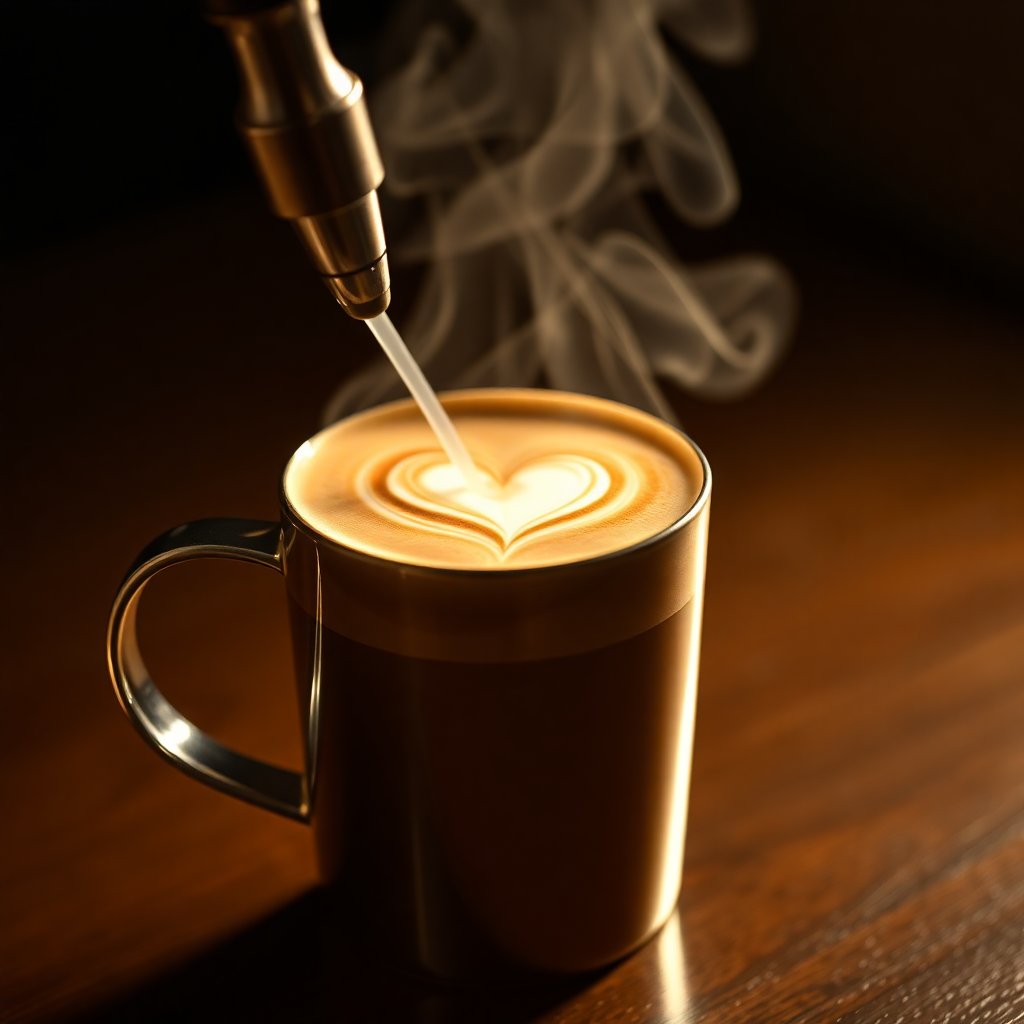
Best Milk Frothers for Home Espresso — Tested by Foam Type
A milk frother is not a milk frother is not a milk frother. There's a world of difference between a $10 handheld whisk and the steam wand on a semi-automatic espresso machine — and not every solution is right for every drink.
What you need depends on what you're making. Cappuccino needs stiff, dense foam. A flat white needs thin, silky microfoam. Latte art requires microfoam so fine you can barely see the bubbles. Getting this wrong means bad drinks regardless of how good your espresso is.
This guide breaks down every frother type by the foam it produces and which drinks it's good for.
Understanding Foam Types
Dry foam (stiff foam): Large bubbles, thick, holds its shape. Good for traditional cappuccinos, not usable for latte art. Think of the foam cap on a classic Italian cappuccino.
Wet foam (microfoam): Fine-textured, almost creamy, bubbles barely visible. Pours like liquid but holds texture. Required for latte art, flat whites, cortados.
Froth: The middle ground — finer than dry foam but not true microfoam. Acceptable for lattes but not great for latte art.
Handheld Frothers
Handheld battery-powered frothers (the wand-style whisks) are cheap, small, and widely available. They produce aerated foam by mechanically agitating milk. They do not steam milk.
What they produce: Froth/dry foam. The milk is not heated. The texture is inconsistent.
Best for: Cold foam for iced drinks. Adding texture to pre-heated milk in a pinch.
Not good for: Traditional cappuccino, flat whites, latte art. The foam is too coarse and the milk isn't heated by the frother.
Check handheld frothers on Amazon
Recommendation: Get one for cold foam. Don't rely on it as your primary frother if you drink hot milk-based espresso drinks regularly.
Electric Milk Frothers / Automatic Frothers
Electric frothers heat and froth milk automatically. The Breville Milk Cafe is the best-known option; there are a dozen similar products at various price points.
What they produce: Depends on the model and setting. Most produce wet foam or thick froth. Better models (Breville Milk Cafe) produce texture close to steam wand microfoam.
Best for: Lattes, cappuccinos, hot chocolate. Anyone who wants good milk drinks without learning steam wand technique.
Breville Milk Cafe (~$100)
The Milk Cafe is the gold standard of automatic frothers. It has a spinning disc frother with multiple settings — cappuccino (denser foam), latte (finer texture), and hot milk (no froth). The cappuccino setting produces excellent texture.
It won't produce latte art-grade microfoam, but for daily drinks without technique, it's hard to beat.
Nespresso Aeroccino (~$50–$80)
The Aeroccino is simple: one button, good results. It produces consistent froth that's better than handheld and good enough for most home drinks. It doesn't have the texture range of the Milk Cafe, but it costs half as much and has fewer parts to clean.
Steam Wands (Built Into Espresso Machines)
A steam wand uses pressurized steam from the machine's boiler to heat and texture milk. This is the professional method — it's what baristas use, and it produces the best results.
What they produce: Microfoam (when used correctly). The quality of microfoam you can achieve with a steam wand is in a different category from any electric frother.
Best for: Latte art, flat whites, proper cappuccinos. Any drink where milk texture is critical.
Learning curve: Significant. Steam wand technique takes practice. You'll scorch milk, create big bubbles, and make a mess before you start making good microfoam. Most people are competent after 2-3 weeks of daily practice.
Types of Steam Wands
Panarello wands: Found on most entry-level machines (DeLonghi Dedica, etc.). A plastic sleeve aerates milk automatically. Produces stiff foam reliably, but can't make true microfoam. Good for cappuccinos, limiting for latte art.
Commercial-style wands: Found on Gaggia Classic Pro, Breville machines at the $300+ level. No sleeve, direct steam. More control, better microfoam potential, steeper learning curve.
Auto-steam wands: Found on the Breville Bambino Plus. The machine textures milk to a set temperature automatically. Good results, less technique required.
Foam Type by Drink
| Drink | Foam Type Needed | Best Frother | |-------|-----------------|--------------| | Traditional Cappuccino | Dry/stiff foam | Panarello, Breville Milk Cafe | | Flat White | Microfoam | Steam wand | | Latte Art | Fine microfoam | Steam wand (practice required) | | Iced Latte | Cold foam | Handheld | | Hot Chocolate | Froth or none | Any electric frother | | Americano | None | — |
What to Buy
If you're on a budget and want good daily milk drinks without the learning curve: Breville Milk Cafe. It's the best automatic frother available.
If you have an espresso machine with a steam wand: learn to use it. It will take a few weeks but the results are in a different category.
If you primarily make iced drinks: a handheld frother for cold foam plus your machine's steam wand for hot drinks is a complete setup.
Frequently Asked Questions
What is the best milk frother for espresso drinks?
If you have an espresso machine with a steam wand, learn to use it — the results are in a different category than any electric frother. For standalone frothing, the Breville Milk Café or similar automatic frother produces the most barista-quality microfoam. For simplicity and budget, a handheld milk frother ($10–15) plus warm milk in a microwave works well for lattes and cappuccinos. For cold foam (iced drinks), a handheld frother with cold milk is the easiest method.
What is microfoam and how do I make it?
Microfoam is steamed milk with very fine, glossy bubbles — it's the milk texture you see in café lattes that allows latte art. Creating it requires a steam wand at the right angle, introducing air in the first few seconds, then submerging the wand tip to texturize. The milk should reach 140–160°F and have a smooth, glossy surface without visible large bubbles. This takes 2–3 weeks of consistent practice to develop reliably.
Can I make good lattes without a steam wand?
Yes, with a quality automatic frother (Breville Milk Café, Nespresso Aeroccino) or an Aerofroth-style pitcher. You won't achieve barista-grade latte art, but you can produce well-frothed milk for acceptable home lattes and cappuccinos. If you primarily make iced lattes (which don't require hot foam), a handheld frother for cold foam works perfectly well.
What kind of milk froths best?
Whole milk froths most easily and produces the richest, creamiest foam — the fat content contributes significantly to bubble stability and texture. 2% milk froths reasonably well. Oat milk (especially barista-grade oat milk like Oatly Barista or Minor Figures) is the best non-dairy option for frothing — its composition is specifically engineered for steam wand use. Skim milk foams but produces thinner, less stable foam.
Is a handheld milk frother worth buying?
Yes for iced drinks and simple warm foam — at $10–15, a handheld frother provides immediate value for anyone making basic lattes and cappuccinos. It produces acceptable foam for most home coffee applications. For serious espresso with textured microfoam for latte art, a steam wand on an espresso machine is the necessary upgrade. The handheld frother excels specifically at cold foam for iced lattes.
See all milk frother options on Amazon
As an Amazon Associate we earn from qualifying purchases. This article contains affiliate links; if you buy through them we may earn a small commission at no additional cost to you.