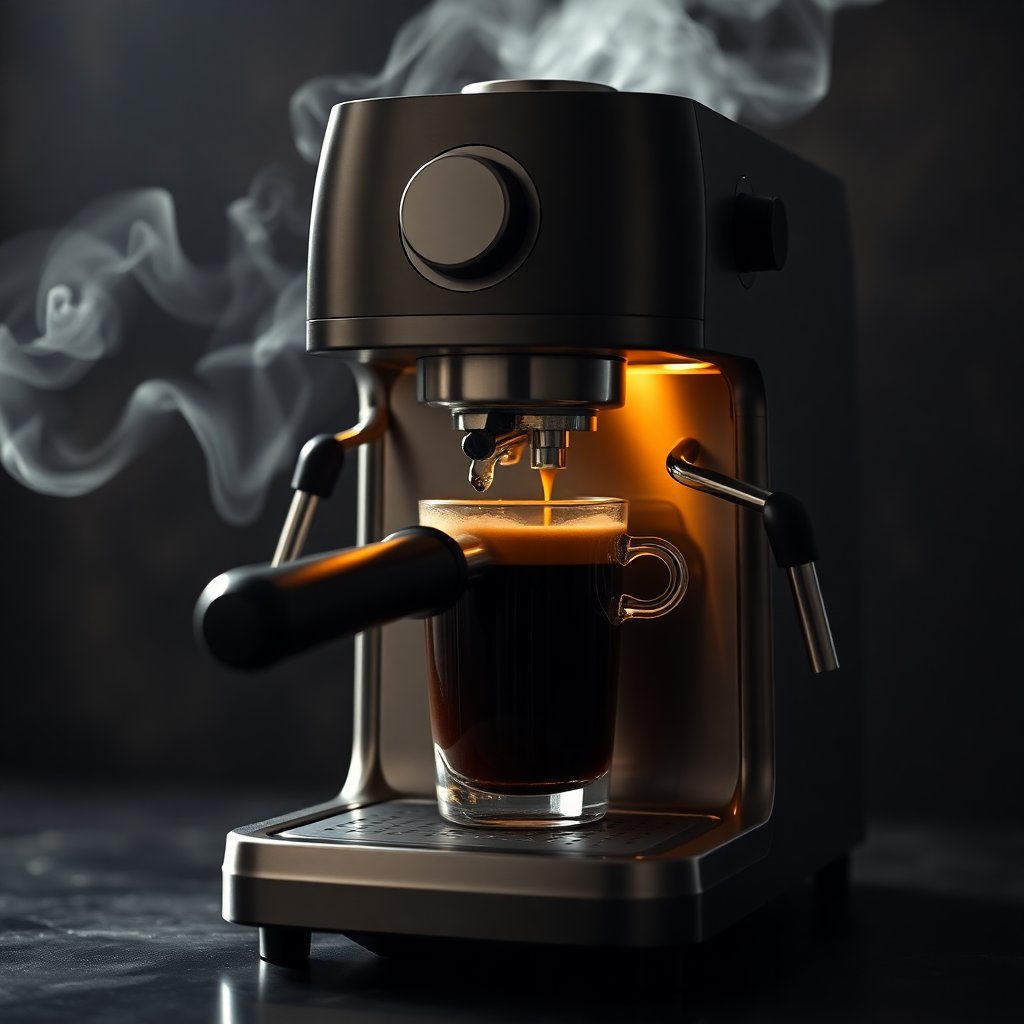
Most first-time espresso buyers make the same mistake: they either underspend on a machine that can't pull a real shot, or they drop $1,500 on a setup they're not ready for. The sweet spot for beginners is narrow but very much real—and the machines in this guide live right in it.
We've put together a ranked list of the best espresso machines for beginners in 2026, covering everything from entry-level semi-automatics to nearly-foolproof super-automatic options. Whether you want to develop real barista skills or just push a button and get excellent coffee every morning, there's a machine here for you.
What Makes an Espresso Machine "Beginner-Friendly"?
Before we get into recommendations, let's define the target. A good beginner espresso machine should do a few things well:
- Produce consistent 9-bar brew pressure — The minimum requirement for actual espresso. Anything lower is flavored coffee with crema on top.
- Have a usable steam wand — Even if you're just making lattes on weekends, a workable steam wand matters for your morning routine.
- Be forgiving of puck prep errors — Beginners will mess up tamping and dosing. A machine that compensates (or at least doesn't punish harshly) is a huge help during the learning phase.
- Have a reasonable learning curve — Not overwhelming on day one, but ideally teaches you something over time.
- Cost between $200 and $800 — Below $200, the pressure systems are often inadequate. Above $800, you're paying for features most beginners won't use yet.
One critical note before we get into machines: whatever you buy, pair it with a decent burr grinder. Pre-ground coffee will consistently underperform, and even a modest dedicated grinder will transform your shots. Check out our guide to the best espresso grinders under $300 before you finalize your setup.
Our Top Picks: Best Espresso Machines for Beginners 2026
1. Breville Bambino Plus — Best Overall for Beginners
The Breville Bambino Plus is the machine we'd recommend to most first-time espresso buyers. It's compact, fast—it reaches brew temperature in just 3 seconds thanks to the ThermoJet heating system—and the auto-steam wand produces decent microfoam without requiring any real technique.
The Bambino Plus pulls proper 9-bar shots and has a low-pressure pre-infusion mode that saturates the puck slowly before full pressure hits. This dramatically reduces channeling issues as you're learning to tamp. At around $500, it's priced exactly where it should be for what it delivers.
What it lacks: no built-in grinder, and the single boiler means you can't brew and steam at the exact same time. You'll need to swap modes between pulling a shot and frothing milk, which adds about 30 seconds. Those are tradeoffs worth accepting at this price point.
→ Shop Breville Bambino Plus on Amazon
2. De'Longhi Dedica Arte — Best for Small Kitchens
If counter space is a concern, the De'Longhi Dedica Arte is only 6 inches wide—narrower than most machines on this list by a significant margin. Don't let the slim profile fool you; it runs at 15 bars of pump pressure (delivering 9 bars at the puck), and includes a manual steam wand that's surprisingly capable for its size.
The Dedica Arte is a meaningful step up from the older Dedica Style, with quieter operation and better thermal management. It's not as fast or forgiving as the Bambino Plus, but at around $230–$280, it's one of the most affordable machines that can pull an espresso shot worth drinking. If you're new, tight on space, and don't want to spend $500, this is the pick.
→ Shop De'Longhi Dedica Arte on Amazon
3. Breville Barista Express — Best All-in-One With Built-In Grinder
If you want the simplest path to dialed-in espresso without buying a separate grinder, the Breville Barista Express is the answer. It combines a conical burr grinder with a full-featured semi-automatic machine—grind size and dose are both adjustable directly on the machine, so you have one fewer piece of equipment to worry about.
The Express uses the same 9-bar extraction system as the more expensive Breville models. The integrated grinder is solid (not exceptional), but it's miles ahead of pre-ground coffee and will serve you well for the first year or two of learning. This is the closest thing to a single-purchase espresso solution, and it's the top recommendation for anyone who wants to keep the setup simple.
→ Shop Breville Barista Express on Amazon
4. Gaggia Classic Pro — Best for Learners Who Want to Grow
The Gaggia Classic Pro is the cult classic of beginner espresso for good reason. It uses a commercial-style brew group, a proper boiler with genuine steam pressure, and a manual steam wand that requires real technique. At around $450–$500, it punches significantly above its weight in terms of capability.
It's not the most beginner-friendly machine on day one—the steam wand will punish poor technique, and there's no pre-infusion or automatic anything—but it rewards the effort. If you want to actually learn espresso rather than automate it, this is the machine. Most serious home espresso enthusiasts either started on a Gaggia Classic or wish they had. It's also built to last for decades with minimal maintenance.
→ Shop Gaggia Classic Pro on Amazon
Once you're pulling consistent shots on any of these machines, the next leap in quality comes from dialing in your grind and dose precisely. Our espresso dialing-in guide walks through the full process from first pull to repeatable excellence.
5. De'Longhi Magnifica Evo — Best Super-Automatic for Zero Fuss
Not everyone wants to become a home barista. If you want excellent espresso with minimal effort—beans in, button pressed, great coffee out—the De'Longhi Magnifica Evo delivers. It grinds, doses, tamps, and brews completely automatically. The built-in milk carafe handles lattes and cappuccinos at the push of a button.
Super-automatics sacrifice some control and the ceiling on shot quality in exchange for total convenience. You won't be pulling competition-caliber shots, but you'll get a very good cup every single morning without thinking about it. For households where multiple people want different drinks at different times, and where no one wants to learn technique, this is hard to beat.
→ Shop De'Longhi Magnifica Evo on Amazon
6. Nespresso Vertuo Next — Best Pod Machine If Simplicity Is Everything
We're including the Nespresso Vertuo Next with an honest caveat: it's not a traditional espresso machine. It uses centrifugal extraction with proprietary pods, and the result is consistently excellent capsule coffee—but it's not espresso in the true sense. There's no puck, no dialing in, no manual technique involved.
That said, if you want a dead-simple machine that makes consistently good drinks and you have zero interest in the craft side of espresso, the Vertuo is hard to argue with. The hardware costs around $150–$200; just factor in ongoing pod costs. It's a gateway, not a destination.
→ Shop Nespresso Vertuo Next on Amazon
Comparison Table
| Machine | Type | Price Range | Best For | Skill Curve | |---|---|---|---|---| | Breville Bambino Plus | Semi-Auto | $450–$500 | Overall best beginner pick | Low | | De'Longhi Dedica Arte | Semi-Auto | $230–$280 | Small kitchens, tight budget | Low–Medium | | Breville Barista Express | Semi-Auto + Grinder | $600–$700 | All-in-one, no separate grinder | Low–Medium | | Gaggia Classic Pro | Semi-Auto | $450–$500 | Learning the craft properly | Medium–High | | De'Longhi Magnifica Evo | Super-Auto | $650–$800 | Zero-effort daily driver | Very Low | | Nespresso Vertuo Next | Pod | $150–$200 | Absolute simplicity | Minimal |
What to Look For in Your First Espresso Machine
Boiler Type and Heat-Up Time
Single boilers are standard at this price range. You'll switch modes between brewing and steaming, adding 30–60 seconds to your process. Dual boilers (which let you brew and steam simultaneously) don't appear until the $900+ range. At the beginner level, single-boiler is fine—just know it's coming.
Heat-up time matters more than most buyers expect. The Breville Bambino Plus heats in 3 seconds. The Dedica Arte takes closer to 35–45 seconds. If you're rushing every morning, faster matters.
Steam Wand Type
Auto-frothing wands (like the one on the Bambino Plus) are easier out of the box but teach you less. Manual steam wands (Gaggia, Dedica) require technique but produce better microfoam once you've developed it. If latte art is a goal, go manual. If you just want warm foam on your morning coffee, auto is perfectly fine.
For a closer look at standalone options—useful if your machine's wand underperforms—we've reviewed the best milk frothers for espresso separately.
Cleaning and Maintenance
All espresso machines require regular descaling and group head cleaning. Check whether the machine has a built-in cleaning mode and how involved the process is. The Breville machines have excellent self-cleaning cycles. The Gaggia Classic Pro requires manual backflushing with a blind filter, which takes about 5 minutes weekly.
Frequently Asked Questions
What's the best espresso machine for beginners on a tight budget?
The De'Longhi Dedica Arte is the best genuine espresso machine under $300 for beginners. It fits narrow countertops, operates at proper brew pressure, and includes a real steam wand. For under $200, the Nespresso Essenza Mini is a strong option—it won't teach you espresso technique, but it makes consistently good drinks with no learning curve.
→ Shop De'Longhi Dedica Arte on Amazon
Do I need a separate grinder for an espresso machine?
For any semi-automatic machine, yes—strongly recommended. Pre-ground coffee can't be dialed in for espresso extraction, and the results will be noticeably flat and inconsistent. The one exception is the Breville Barista Express, which includes a built-in conical burr grinder. For all other machines on this list, budget an additional $100–$200 for a quality standalone burr grinder.
Is the Breville Bambino Plus worth the premium over the Dedica Arte?
In most cases, yes. The Bambino Plus heats in 3 seconds vs. 35–45 seconds for the Dedica, has a more forgiving pressure pre-infusion profile, and the auto-steam wand produces reliably good foam without technique. If the $230–$280 price of the Dedica is genuinely the constraint, it's still a solid choice. But if you can stretch to $500, the Bambino Plus is meaningfully better in day-to-day use.
How long does it take to learn to pull a good espresso shot?
Most beginners are pulling consistently decent shots within two to three weeks. Week one is usually about dialing in grind size. Week two is about consistent tamping pressure and dose weight. By week three, you're refining and starting to taste the difference your adjustments make. The Gaggia Classic Pro has a steeper initial curve; the Bambino Plus is noticeably more forgiving in the early stages.
Should I buy a super-automatic or a semi-automatic espresso machine as a beginner?
It depends entirely on your goal. If you want to learn the craft and gradually improve the quality of your shots, go semi-automatic. If you want consistently good coffee with zero morning thinking, go super-automatic. The De'Longhi Magnifica Evo is the best super-automatic at the beginner price range—it handles everything from grinding to cup automatically and makes excellent drinks without any input from you.
The Bottom Line
For most beginners, the Breville Bambino Plus is the right machine. Its fast heat-up, forgiving extraction profile, and capable auto-steam wand make it the easiest path to genuinely good espresso at home. Pair it with a quality burr grinder and freshly roasted beans, and you'll be making better espresso than most coffee shops within a few weeks.
If budget is the constraint, the De'Longhi Dedica Arte gets you into real espresso for under $280. If you want to skip the learning curve entirely, the De'Longhi Magnifica Evo does the work for you with no compromise on daily convenience.
Whatever you choose, the biggest single lever you can pull is bean quality and freshness. Buy whole beans, grind just before brewing, and your machine will reward you. The equipment is the foundation—the beans are what you taste.
As an Amazon Associate we earn from qualifying purchases. This article contains affiliate links; if you buy through them we may earn a small commission at no additional cost to you.